

Resources (Content is TBD)

Recovery support services are non-clinical services that assist individuals and families to recover and stabilize from alcohol or drug problems. They include social support, linkage to and coordination among allied service providers, and a full range of human services that facilitate recovery and wellness contributing to an improved quality of life.
Examples and Definitions of Recovery Support Services
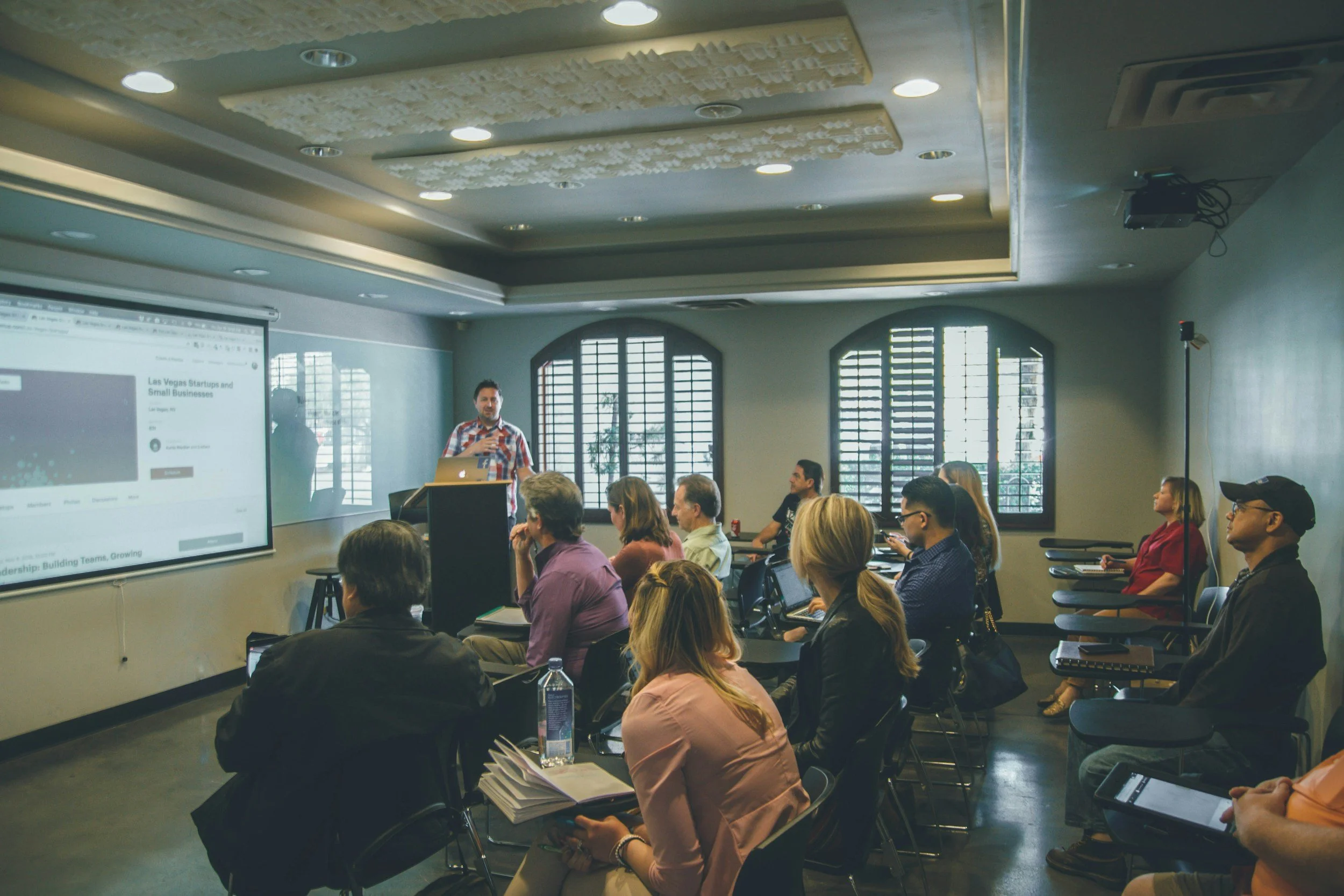
Education:
Supported education services are defined as educational counseling and may include academic counseling, assistance with academic and financial applications, and aptitude and achievement testing to assist in planning services and support. Vocational training and education also provide support for clients pursuing adult basic education, i.e., general education development (GED) and college education.

Child Care:
These services include care and supervision provided to a client’s child(ren), younger than 14 years of age and for fewer than 24 hours per day, while the client is participating in the drug court program, treatment, and/or recovery support activities. These services must be provided in a manner that complies with state laws regarding child care facilities.

Housing Placement Assistance:
These services provide short-term clean and sober housing assistance, including rental or utilities payments assistance and assistance with related expenses such as payment of security deposits and other expenses incidental to relocation to transitional housing, for persons actively participating in the drug court program.

Primary and Behavioral Health Care:
These services provide drug court participants with access to quality mental illness and substance abuse services as well as other essential health care services as identified by physicians and treatment providers working in collaboration with the courts.

Disclaimer
These services are typically provided by paid staff or volunteers familiar with how their communities can support people seeking to live free of alcohol and drugs, and are often peers of those seeking recovery. Some of these services may require reimbursement while others may be available in the community free of charge. Note that BJA will only support a reasonable portion of funding to support these expenses, and they must be tied to the objectives of the drug court.